When you pick up a phone and open an app, you’re already part of a shift that’s reshaping how we spend our leisure hours. The rise of mobile gaming has moved beyond casual puzzles and into a full‑blown entertainment ecosystem. In the UK, the numbers speak for themselves: in 2023, mobile gaming revenue hit £4.2 billion, up 18 % from the previous year. That growth isn’t just about money; it’s about how people choose to relax, connect, and even learn.
1. Accessibility Wins the Day
For many, the first barrier to gaming was the need for a console or a PC. Now, a single download on a £700 phone can replace a $500 gaming rig. In 2022, 65 % of UK adults owned a smartphone that could run high‑definition titles. The convenience factor is clear: you can pick up a game during a train ride, a lunch break, or while waiting for a friend. This immediacy has turned gaming into a part of everyday life, rather than a scheduled hobby.
2. Monetisation Models That Fit the Wallet
Traditional games often required a hefty upfront purchase. Mobile titles now lean on micro‑transactions, subscription tiers, and ad‑supported free versions. A typical in‑app purchase averages £4.50, and about 12 % of players spend more than £50 a month. The freemium model keeps the barrier low; you can play for free and decide later if you want to invest. For those who prefer a one‑time fee, many developers now offer a “premium” version that removes ads and unlocks extra content.
3. Social Features Turn Solo Play Into Community
Modern mobile games embed social tools: leaderboards, co‑op missions, and real‑time chat. In 2023, 48 % of mobile gamers reported that they play primarily to compete with friends or strangers online. This social layer has created new communities, some of which spill over into other online entertainment channels. For instance, a popular battle‑royale app introduced a live‑streaming feature that lets players broadcast their gameplay directly to friends, boosting engagement and time spent on the platform.
4. Cross‑Platform Integration Expands Reach
Games that start on a phone can now be played on a tablet, laptop, or even a smart TV without losing progress. The cloud‑save feature, available in over 70 % of recent releases, means you can switch devices mid‑session. This flexibility has led to a 22 % rise in players who use multiple devices per week. Developers are also experimenting with augmented reality, blending the physical and digital worlds to create immersive experiences that feel less like a game and more like an adventure.
As mobile gaming grows, its influence extends beyond the screen. Many players find themselves drawn to other forms of online entertainment, such as streaming services or interactive story platforms. A recent survey showed that 35 % of mobile gamers also subscribe to at least one online streaming service, citing convenience and the appeal of on‑demand content. This crossover is reshaping the entertainment landscape, making it more interconnected than ever before.
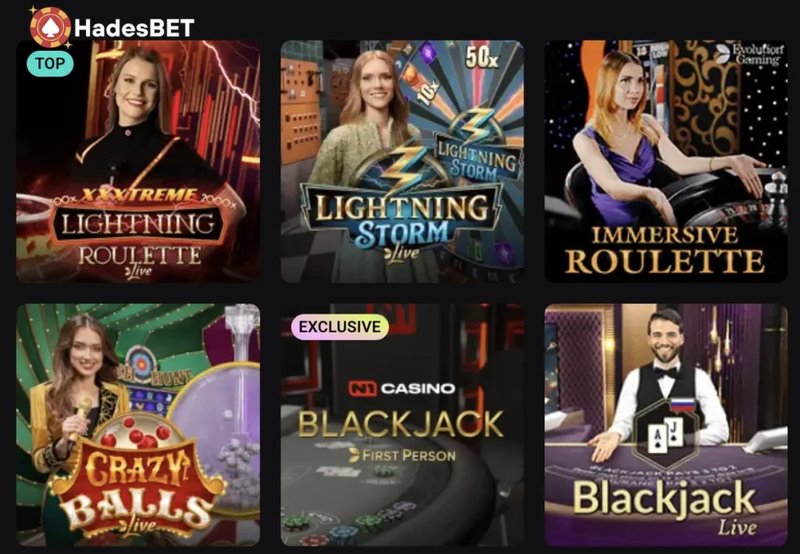
If you’re curious about how this digital shift translates into other online experiences, you might find it interesting to explore a hadesbet online casino for a quick break from the screen.
Conclusion
Mobile gaming isn’t just a fad; it’s a fundamental change in how we interact with digital media. From accessibility and new monetisation strategies to social connectivity and cross‑platform play, the UK market is adapting at a rapid pace. The result? Entertainment that fits into the rhythm of daily life, offers instant gratification, and invites collaboration. As developers continue to innovate, the next wave of mobile experiences will likely blur the lines between gaming, learning, and social interaction even further.
Frequently Asked Questions
How has mobile gaming revenue grown in the UK?
It reached £4.2 billion in 2023, an 18 % increase from 2022.
What types of mobile games are driving this growth?
Beyond casual puzzles, AR, esports, and narrative‑driven titles are key contributors.
Does mobile gaming impact social interaction?
Yes, many players use in‑app chat, guilds, and streaming to connect and collaborate.